Everything About Bulk Plastic Containers: Advantages, Applications, and Sector Insights
Mass plastic containers play a considerable role in different industries, providing advantages that boost effectiveness and sustainability. Their light-weight nature reduces delivery expenses, while their sturdiness assurances risk-free storage and transportation of diverse products. As business progressively seek environmentally friendly options, the need for these containers is growing. This elevates vital questions concerning the products utilized and the fads influencing their style. What ramifications do these aspects have for the future of mass plastic containers?
Advantages of Mass Plastic Containers
Bulk plastic containers use a wide variety of benefits in various sectors. Their lightweight design significantly reduces transport costs, permitting reliable logistics and simpler handling. In addition, these containers provide resilience and resistance to weather components, chemicals, and physical effect, making certain the secure storage space and transport of goods. The convenience of mass plastic containers allows them to be formed right into various forms and sizes, dealing with particular sector requirements.

Typical Applications Across Industries
While various markets use bulk plastic containers, their applications are particularly popular in fields such as food and drink, drugs, farming, and production. In the food and drink sector, these containers are crucial for keeping and transferring items like grains, liquids, and ready dishes, ensuring freshness and safety and security. The pharmaceutical industry counts on mass plastic containers for safe storage space of drugs and vaccinations, preserving compliance with rigorous guidelines.
In agriculture, these containers assist in effective handling and transport of produce, plant foods, and chemicals, while likewise sustaining lasting methods with recyclability. Production sectors make use of bulk plastic containers for parts storage and production line procedures, advertising organization and operations effectiveness. Furthermore, these containers serve a substantial duty in logistics and supply chain administration, simplifying the motion of products across different fields. Generally, the versatility of mass plastic containers makes them vital across numerous markets.
Material and Style Factors To Consider
When choosing mass plastic containers, material and style considerations play a necessary role in guaranteeing capability and compliance with sector standards. The choice of product considerably impacts the container's durability, weight capacity, and resistance to ecological aspects. Typical products include high-density polyethylene (HDPE) and polypropylene, understood for their strength and chemical resistance.
Design facets, such as form, closure, and size mechanisms, likewise influence functionality. Containers with ergonomic deals with and stackable designs boost storage efficiency and convenience of transport. Furthermore, attributes like airing vent or water drainage holes might be necessary for details applications, permitting air flow or liquid removal.
Conformity with safety and security laws, such as FDA approvals for food-grade applications, is crucial. Bulk Plastic Containers. Overall, mindful factor to consider of materials and design can optimize performance and longevity, guaranteeing that mass plastic containers satisfy the varied demands of different industries successfully
Fads in Bulk Plastic Container Usage
As markets advance, the use of mass plastic containers is significantly affected by sustainability and efficiency. Firms are deciding for environment-friendly products, such as recycled plastics, to minimize environmental impact while preserving resilience. This shift is driven by customer need for sustainable methods and regulatory stress targeted at lowering plastic waste.
Additionally, the fad towards automation in logistics and supply chain administration is improving container styles. Mass containers are currently being engineered for compatibility with automated systems, enhancing operational effectiveness. Light-weight layouts are additionally getting grip, as they reduce shipping prices and power consumption throughout transportation.
On top of that, customization is ending up being a prime focus, enabling organizations to tailor containers to particular needs, thus enhancing space and capability. These trends mirror a more comprehensive dedication to sustainability, advancement, and effectiveness within various sectors, making certain that bulk plastic containers proceed to play a crucial role in modern-day supply chains.
Ideal Practices for Storage Space and Transportation
Reliable storage and transportation of bulk plastic containers call for adherence to ideal methods that improve safety and efficiency. First, containers need to be piled securely, assuring that weight is uniformly dispersed to stop tipping or damage. Making use of pallets can facilitate less complicated activity and protect the containers from ground moisture. In addition, appropriate labeling is crucial for fast recognition and monitoring during transit.
Temperature control is one more vital aspect; extremes can endanger the honesty of the materials. It is recommended to store containers in a climate-controlled setting when required. For transportation, choosing appropriate vehicles developed for bulk lots assurances security and decreases danger during transportation.
Routine assessments of containers prior to storage and transportation help recognize any kind of wear or damages, permitting prompt maintenance or replacement. By adhering to these best techniques, companies can optimize the lifecycle of bulk plastic containers while maintaining operational efficiency.
Often Asked Questions

Are Bulk Plastic Containers Recyclable After Usage?
Yes, bulk plastic containers are typically recyclable after usage. Nevertheless, recyclability depends upon the material kind and local recycling programs. Correct cleansing and sorting are necessary to guarantee they are approved by reusing centers.

What Is the Lifespan of Mass Plastic Containers?
The life-span of mass plastic containers normally varies from five to 10 years, depending upon use problems, worldly quality, and environmental factors. plastic bulk containers. Proper maintenance can extend their resilience, making them a long-lasting storage space remedy
Can Mass Plastic Containers Be Custom-made?
Yes, bulk plastic containers can be customized. Makers often supply options for size, product, branding, and color, enabling organizations to tailor containers to their specific demands and improve their item discussion and capability.
Exactly How Do Bulk Plastic Containers Contrast in Expense to Alternatives?
Bulk plastic containers normally use a lower cost compared to choices like steel or glass, because of their lightweight nature and longevity. This makes them an economical option for companies needing reliable visite site storage space her comment is here options.
Exist Safety Laws for Utilizing Mass Plastic Containers?
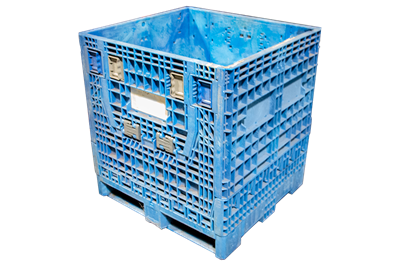
Mass plastic containers play a considerable duty in various markets, offering benefits that enhance effectiveness and sustainability. While numerous sectors make use of bulk plastic containers, their applications are specifically noticeable in sectors such as food and drink, drugs, agriculture, and manufacturing. Production markets make use of bulk plastic containers for components storage and assembly line operations, promoting organization and operations effectiveness. When selecting mass plastic containers, product and design considerations play an important role in making sure performance and compliance with sector requirements. As sectors develop, the use of mass plastic containers is progressively affected by sustainability and performance.